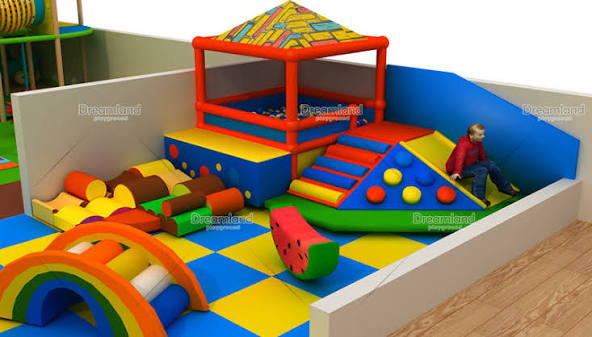
Creating an engaging play area requires more than simply filling a room with colorful structures. A successful children’s play environment should encourage movement, exploration, imagination, social interaction, and age-appropriate challenges. The right soft play equipment can transform an ordinary indoor space into an exciting destination where children can play safely while developing important physical and social skills. For schools, childcare centers, family entertainment venues, shopping centers, and indoor playground businesses, thoughtful planning is essential to make every part of the play area useful, attractive, and enjoyable.
Understanding the Purpose of the Play Area
Before selecting equipment, it is important to understand who will use the space and what type of experience you want to provide. A play area designed for toddlers will require different structures from one intended for older children. Younger children may benefit from low climbing platforms, soft blocks, tunnels, gentle slides, and sensory features, while older children may enjoy more challenging climbing elements, obstacle courses, interactive structures, and larger play frames.
The purpose of the facility should also influence the design. A daycare may prioritize developmental play and easy supervision, while a commercial entertainment center may need equipment that encourages longer visits and accommodates larger groups. Defining these goals early makes it easier to select appropriate soft play equipment.
Creating a Balanced Play Environment
An engaging play area should provide variety. Children naturally move between different activities, so relying on one type of structure can quickly become repetitive. A balanced layout can include climbing, crawling, sliding, balancing, jumping, imaginative play, and quiet areas.
Climbing structures can help children develop coordination and confidence. Tunnels encourage exploration and movement, while slides add excitement and provide a simple physical challenge. Soft obstacles can introduce children to balance and agility without creating unnecessarily hard surfaces.
Imaginative areas are equally valuable. Pretend shops, kitchens, houses, castles, or themed play zones allow children to create stories and interact with others. Combining active and imaginative elements makes the environment more dynamic and encourages children to use the space in different ways.
Choosing Equipment for Different Age Groups
Age-appropriate design is one of the most important considerations when developing a play area. Children at different developmental stages have different physical abilities, attention spans, and confidence levels.
For toddlers, equipment should generally feature low heights, accessible entrances, wide platforms, and gentle movement challenges. Soft shapes and bright visual features can make the environment inviting without overwhelming young users.
Preschool children can usually handle more varied challenges. Small climbing walls, tunnels, bridges, slides, stepping elements, and interactive panels can provide opportunities to test coordination and problem-solving abilities.
Older children often want greater physical challenges. Multi-level structures, larger obstacle courses, climbing features, and interactive activities can keep them engaged. Separating equipment by age or ability can also help reduce conflicts and create a more comfortable environment for everyone.
Designing for Safety and Supervision
Safety should be integrated into the design rather than treated as an afterthought. High-quality soft play equipment is designed with child-friendly materials and cushioned surfaces that can help reduce the impact of accidental falls.
The arrangement of equipment is also important. Staff and parents should be able to see children clearly from different areas of the facility. Avoid creating unnecessary hidden corners or blocked sightlines. Clear pathways can make supervision easier while also allowing children to move naturally between activities.
Entrances, exits, and circulation areas should remain unobstructed. Equipment should be installed according to appropriate manufacturer instructions, and regular inspections should be part of the facility’s maintenance routine. Damaged padding, loose components, worn coverings, or other problems should be addressed promptly.
Using Color and Themes Effectively
Visual design can have a major influence on how children perceive a play space. Bright colors, recognizable shapes, and imaginative themes can make a facility feel exciting and memorable. However, successful design does not require every component to be brightly colored.
A carefully selected theme can give the entire play area a sense of identity. Jungle adventures, space exploration, underwater worlds, castles, transportation, and nature themes can inspire imaginative play. Themed soft play equipment can also help businesses create a distinctive environment that separates their facility from competitors.
Colors can be used to define different zones. For example, active areas may have energetic visual elements, while reading or sensory spaces can have calmer surroundings. Consistent visual organization can make the space easier for children and adults to understand.
Encouraging Physical Development
Children need opportunities to move, and a well-designed play area can support a wide range of physical skills. Climbing encourages strength and coordination. Balancing activities challenge body control. Crawling through tunnels supports gross motor development, while jumping and navigating obstacles can improve agility.
Different activities should be positioned so that children can naturally progress from one challenge to another. A simple climbing element might lead to a short bridge, which then connects to a slide or soft landing area. This creates a continuous play journey instead of a collection of unrelated pieces.
The goal is not necessarily to make every activity difficult. Instead, the environment should offer different levels of challenge so children can choose activities that match their confidence and ability.
Making the Space Social and Interactive
Play is often a social experience. Children learn how to communicate, cooperate, share, and solve problems while interacting with their peers. Therefore, play areas should provide opportunities for both individual and group activities.
Two or more children can work together on interactive panels, pretend-play stations, tunnels, or collaborative obstacle challenges. Open areas can provide space for group games, while smaller sections can support quieter activities.
Designers should also avoid overcrowding the facility with equipment. Leaving enough open space allows children to move freely and creates opportunities for spontaneous games and social interaction.
Maximizing Available Space
Not every facility has a large floor plan, so efficient space planning is essential. Vertical design can help maximize smaller areas by using multi-level play structures. Instead of spreading equipment across the entire floor, designers can create connected play experiences that use height effectively.
However, maximizing space does not mean filling every available section. Children need clear routes for movement, and adults need comfortable areas from which to supervise. Seating for parents, storage for personal belongings, and accessible pathways should also be considered during planning.
A professional layout should balance equipment density with usability. Every component should have a clear purpose and contribute to the overall experience.
Considering Durability and Maintenance
Commercial play areas experience significant daily use, making durability an important purchasing consideration. Equipment should be manufactured from materials suitable for frequent children’s activities and should be easy to inspect and maintain.
Cleaning requirements should also influence purchasing decisions. Surfaces that are easier to clean can help staff maintain a hygienic environment. Replaceable components can be useful because individual damaged sections may be repaired without replacing an entire structure.
When comparing soft play equipment, operators should consider more than the initial purchase price. Long-term durability, maintenance requirements, installation, warranties, and replacement options can all affect the overall value of an investment.
Creating an Experience Children Want to Repeat
The strongest play areas are designed around experiences rather than individual products. Children should be able to discover something new, move between activities, and create their own games.
Rotating loose-play elements, introducing seasonal decorations, or adding new interactive features can help keep an established facility fresh. Businesses can also observe how children use the space and identify areas that are consistently popular or underused.
Ultimately, successful play-area design combines safety, creativity, movement, accessibility, and variety. The right soft play equipment can provide the foundation, but thoughtful planning determines how effectively that equipment works together. By selecting age-appropriate structures, creating distinct activity zones, allowing room for social interaction, and maintaining equipment carefully, operators can build play environments that are exciting, practical, and rewarding for children.