Technology has become an essential part of modern life, influencing how people communicate, work, exercise, learn, and manage their daily routines. From smartphones and wireless earbuds to smartwatches, fitness trackers, and smart rings, consumers have access to countless innovative products. However, the growing number of available devices can make purchasing decisions confusing. Different brands offer similar features, prices vary considerably, and product descriptions often contain technical terms that are difficult for beginners to understand.
This is where gadget and tech reviews become valuable. They help consumers compare products, understand important features, identify potential limitations, and decide whether a device offers genuine value. Instead of relying entirely on advertisements or attractive product images, shoppers can use detailed reviews to make more informed decisions.
Whether someone is searching for a new smartphone, a reliable laptop, or a wearable health-monitoring device, well-researched reviews can simplify the entire shopping experience. By examining performance, usability, compatibility, battery life, and price, consumers can find products that match their individual needs and budgets.
Why Gadget and Tech Reviews Matter
Gadget and tech reviews provide practical information about electronic products before consumers spend their money. Manufacturers usually emphasize the advantages of their products, but independent reviews can offer a more balanced perspective by discussing both strengths and weaknesses.
A useful review explains what a device does, how its features work, and whether those features are beneficial in everyday situations. For example, a smartphone might advertise an advanced camera system, but a detailed review can explain how the camera performs in low light, how quickly it focuses, and whether its image quality meets the expectations of ordinary users.
Reviews also help consumers avoid purchasing devices with unnecessary features. Someone who needs a phone for messaging, browsing, and video calls may not require an expensive flagship model. Similarly, a person interested in basic activity tracking might find an affordable wearable more suitable than a premium fitness device.
By focusing on practical requirements rather than marketing claims, technology reviews make shopping more straightforward and help buyers prioritize what matters most.
Understanding Your Needs Before Buying Technology
Before comparing products, consumers should identify their main requirements. A device that receives excellent reviews may still be unsuitable for someone with different priorities.
Identify Your Main Purpose
Start by determining why you need the product. Are you buying a laptop for schoolwork, a smartwatch for notifications, wireless earbuds for commuting, or a smart ring for everyday wellness tracking?
Understanding your primary purpose helps narrow the available choices. For example, a student may prioritize affordability, battery life, and portability when selecting a laptop. A person who exercises regularly might focus on comfort, activity tracking, and water resistance when choosing a wearable.
Creating a short list of essential features makes comparisons easier and reduces the temptation to pay for capabilities you are unlikely to use.
Establish a Realistic Budget
Budget is another important consideration. Technology products are available at different price levels, from entry-level models to premium devices with advanced specifications.
A higher price does not automatically guarantee a better experience. Some affordable gadgets provide the essential features that many people need, while expensive products may include specialized functions that offer little practical value to particular buyers.
Consumers should compare the purchase price with expected performance, durability, warranty coverage, and possible additional expenses. Accessories, replacement parts, subscriptions, and charging equipment can affect the overall cost.
The best purchase is not necessarily the cheapest or most expensive option. It is the product that delivers suitable performance and dependable value within the buyer’s budget.
The Importance of Comparing Product Specifications
Technical specifications provide useful information about how devices are designed to perform. However, understanding their practical meaning is more important than simply comparing numbers.
Battery Life and Charging
Battery performance matters for smartphones, tablets, laptops, wireless headphones, and wearable devices. A long-lasting battery can reduce interruptions and make a gadget more convenient during travel or busy days.
Reviews should explain whether advertised battery life reflects realistic usage. Actual performance may vary depending on screen brightness, connectivity, background applications, sensor activity, and other settings.
Charging speed is also worth considering. Some products recharge quickly, while others require longer charging periods. For wearable devices, shoppers should examine how frequently the device needs charging and whether the charging system is convenient.
Performance and Reliability
Performance determines how smoothly a device handles its intended tasks. For computers, this may involve processor capability, memory, storage, and graphics performance. For smartphones, it can include application responsiveness, multitasking, and camera processing.
Wearable technology has different performance priorities. Users may care more about sensor consistency, application stability, comfortable operation, and dependable synchronization with their phones.
A helpful review evaluates the overall experience instead of relying exclusively on specifications. It also explains whether performance differences are noticeable during everyday use.
Design and Comfort
Design influences how enjoyable a device is to use. Screen size, weight, materials, button placement, and ergonomics can all affect convenience.
Comfort is particularly important for wearable products that people may use throughout the day or night. A device that feels uncomfortable can become inconvenient regardless of its technical capabilities.
Product reviews should consider real-world usability, including how easily a device can be adjusted, carried, cleaned, worn, or stored.
Smart Rings: A Growing Category of Wearable Technology
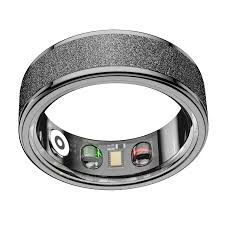
Smart rings are an interesting example of how technology reviews can help shoppers navigate an emerging product category. These compact wearables are designed to provide selected digital features without requiring users to wear a traditional smartwatch.
Depending on the model, smart rings may offer heart-rate measurements, sleep-related information, activity tracking, or other wellness features. They typically work alongside a compatible smartphone application, where users can view measurements and review recorded trends.
Their small size can make them appealing to people who prefer discreet wearable technology. However, shoppers should evaluate compatibility, sensor capabilities, battery performance, sizing, and software support before purchasing one.
What to Look for in a Smart Ring
Several considerations can help consumers compare smart rings more effectively.
First, examine the available health and wellness features. Some models focus on basic activity information, while others offer a broader collection of measurements. Buyers should verify which functions are supported by the exact model rather than assuming that every smart ring provides identical capabilities.
Second, check smartphone compatibility. An attractive ring may not be useful if its companion application does not support the buyer’s phone or operating system.
Third, consider fit and comfort. Ring sizing can differ from conventional jewelry sizing, and a poor fit may affect comfort and sensor contact. Follow the manufacturer’s sizing guidance before ordering.
Finally, investigate battery life, charging requirements, water-resistance claims, warranty coverage, and privacy settings. These practical details can significantly influence long-term satisfaction.
Exploring the Colmi R10 Smart Ring UK Market
Consumers researching the Colmi R10 smart ring UK market can benefit from comparing the product’s specifications, availability, pricing, and compatibility before making a purchase.
When evaluating a specific smart ring, shoppers should consult the manufacturer’s product information and trustworthy retailer listings to confirm its supported features. Product names and specifications should be checked carefully because similarly named devices may offer different capabilities.
Buyers in the United Kingdom should also consider delivery costs, return policies, warranty arrangements, and whether the seller provides appropriate customer support. Purchasing from a reliable retailer can make resolving sizing concerns or product issues easier.
Independent reviews can help explain how a ring performs in everyday situations, but shoppers should distinguish verified testing results from personal opinions and promotional descriptions.
The most useful assessment connects technical specifications with the buyer’s intended use. Someone interested in basic wellness information may have different expectations from someone who wants extensive sports metrics or advanced sleep analysis.
Finding a Budget Smart Ring With Heart Rate Tracking
For consumers looking for a budget smart ring with heart rate tracking, affordability and feature quality should be considered together.
Heart-rate tracking can provide information about changes in heart rate during everyday activities, rest, or exercise, depending on the device’s supported functions. However, sensor design, fit, movement, skin contact, and software processing can influence measurement quality.
Before buying, shoppers should confirm that heart-rate tracking is explicitly supported by the exact product model. They should also investigate whether measurements are available on demand, recorded automatically, or presented through a companion application.
It is equally important to understand the limitations of consumer wellness devices. Smart-ring measurements should not be treated as a substitute for professional medical assessment, and accuracy can vary across devices and conditions.
Budget-conscious shoppers should compare the features they will actually use instead of paying extra for an extensive feature list. A straightforward device with clear reporting, comfortable sizing, dependable connectivity, and acceptable battery performance may offer better personal value than a more complicated alternative.
How to Evaluate Online Technology Reviews
Not every online review provides reliable information. Some articles are written primarily to promote products, while others contain outdated specifications or opinions that are not supported by meaningful testing.
Learning how to evaluate review quality helps shoppers separate useful guidance from advertising.
Look for Specific Testing Details
Reliable reviews explain how products were evaluated. Instead of simply claiming that a battery is excellent, a reviewer might describe the usage conditions, settings, and duration of testing.
For a wearable device, useful details could include application setup, comfort during daily activities, charging frequency, synchronization reliability, and the clarity of recorded data.
Specific observations make it easier to understand how a product might perform in similar circumstances.
Compare Multiple Independent Sources
One review rarely provides a complete picture. Reading several credible sources can reveal common strengths, recurring problems, and differences in user experiences.
If multiple reviewers report similar connectivity issues, that pattern deserves attention. However, an isolated complaint does not necessarily mean every device will experience the same problem.
Consumers should consider the date of each review, since firmware updates, application changes, and newer product versions may affect earlier findings.
Read Customer Feedback Carefully
Customer reviews can reveal practical issues that formal specifications do not explain. Buyers may discuss delivery experiences, comfort, setup difficulties, customer support, or durability after several months of use.
Nevertheless, online ratings should be interpreted cautiously. Extremely positive or negative comments may not represent typical experiences, and some reviews may lack sufficient detail to support their conclusions.
Look for feedback that describes a specific experience and explains why the reviewer reached a particular conclusion.
The Role of Price Comparisons in Smarter Shopping
Comparing prices is an essential part of technology shopping, but the lowest listed price does not always represent the best deal.
Different retailers may offer different warranty terms, delivery options, return periods, accessories, or customer-service arrangements. A slightly more expensive product from a dependable seller may provide greater peace of mind.
Compare Total Ownership Costs
The total cost of a device includes more than its initial price. Some products require accessories, replacement components, paid applications, or subscriptions for particular features.
Before buying a wearable, check whether its main functions are available without recurring fees. For computers, consider storage upgrades and necessary software. For smartphones, investigate charging accessories and repair costs.
Understanding these expenses helps buyers compare products on a more realistic basis.
Watch for Discounts and Seasonal Offers
Promotional events can make technology more affordable, but discounts should be evaluated carefully. A large advertised reduction may not represent meaningful savings if the original price was inflated or competing retailers already offer a similar price.
Compare the final checkout cost, verify the seller’s reputation, and read the return policy before placing an order.
For products such as smart rings, confirm that the discounted listing refers to the correct model, size options, and included accessories.
Understanding Privacy and Data Security
Connected gadgets can collect personal information, making privacy an important part of the purchasing decision.
Smartphones, fitness trackers, smartwatches, and smart rings may process information such as activity records, device identifiers, location data, or wellness measurements. The exact information collected depends on the product, its software, and the user’s settings.
Before buying, review the manufacturer’s privacy policy and understand how collected information is stored, used, and shared.
Check Application Permissions
A companion application may request access to Bluetooth, notifications, location services, or other phone functions. Some permissions are necessary for particular features, but others may be optional.
Users should examine permission requests and enable only the access needed for their intended use.
Investigate Software Support
Regular software updates can improve functionality, fix bugs, and address security problems. Buyers should consider whether the manufacturer provides updates and how long the device is expected to receive support.
A low-priced product may become less useful if its companion application stops working or compatibility disappears after an operating-system update.
Common Technology Shopping Mistakes to Avoid
Even well-informed consumers can make mistakes when comparing electronic products. Recognizing common problems can lead to better purchasing decisions.
One frequent mistake is choosing a product solely because it is popular. A widely advertised gadget may not match an individual’s needs, budget, or preferred features.
Another mistake is assuming that more specifications automatically mean better performance. A product with numerous functions may be unnecessarily complicated for someone who only needs basic capabilities.
Ignoring compatibility is another avoidable problem. Before purchasing, confirm that the device works with existing equipment, software, and accessories.
Shoppers should also avoid relying on promotional photographs alone. Product images cannot establish durability, measurement consistency, application quality, or comfort during extended use.
Finally, consumers should read warranty and return information before paying. This is especially important when buying wearable devices that require a suitable fit or depend on companion software.
Using Technology Reviews to Make Confident Decisions
A structured approach can make the shopping process faster and more effective.
Begin by identifying the main purpose of the product and setting a spending limit. Next, shortlist several models that satisfy the essential requirements.
Compare their important specifications, paying attention to practical differences rather than marketing language. Read independent reviews, examine detailed customer feedback, and verify information through official product documentation.
Afterward, compare prices from reputable sellers and review delivery arrangements, warranty coverage, privacy policies, and return conditions.
For wearable devices, include comfort, sizing, sensor capabilities, and application compatibility in the evaluation. For smart rings, verify health-tracking features individually instead of assuming that all models provide the same measurements.
This method reduces uncertainty and encourages decisions based on evidence rather than impulse.
Conclusion
Gadget and tech reviews make technology shopping easier by translating complicated specifications into practical information. They help consumers understand product capabilities, compare alternatives, recognize limitations, and evaluate whether a device offers suitable value.
From smartphones and computers to emerging wearables, the same principles apply: identify your needs, establish a budget, compare credible information, and verify important details before purchasing.
Shoppers exploring the Colmi R10 smart ring UK market or searching for a budget smart ring with heart rate tracking should pay particular attention to verified specifications, compatibility, comfort, sensor performance, privacy, and retailer reliability.
Ultimately, smart technology shopping is not about purchasing the device with the most features or the highest price. It is about choosing a product that meets your requirements, fits your budget, and provides a useful experience over time. With careful research and trustworthy reviews, consumers can approach technology purchases with greater confidence and make decisions that support their everyday needs.