Choosing the right pair of earbuds can make a noticeable difference in how you enjoy music, podcasts, calls, workouts, and other everyday audio. While traditional earbuds have been the standard choice for years, clip on earbuds have become an increasingly interesting alternative for people who want a different fit and listening experience. Both designs have strengths and weaknesses, so the best option depends on comfort, stability, sound preferences, lifestyle, and how you plan to use them.
Understanding the differences between these two styles can help you make a more confident purchasing decision.
What Are Clip On Earbuds?
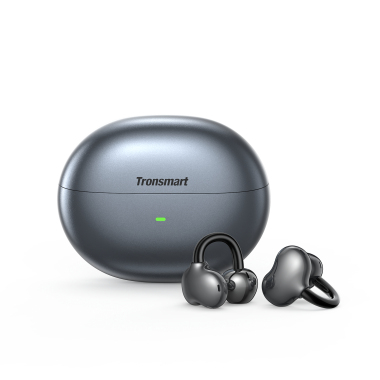
Clip on earbuds are designed to rest around or attach securely to the outer part of the ear rather than relying entirely on an ear tip inserted into the ear canal. Depending on the model, the clip may sit behind the ear, over the ear, or around the ear’s outer edge.
This design can provide additional stability during movement. It can also reduce the sensation of having something pushed deeply into the ear canal, which some listeners find more comfortable during extended listening sessions.
Modern clip-style designs may include wireless connectivity, built-in microphones, touch controls, noise management features, and rechargeable batteries. Their combination of stability and convenience makes them particularly appealing for active users.
How Traditional Earbuds Work
Traditional earbuds generally sit inside the ear or partially enter the ear canal. Many modern models use silicone ear tips in different sizes to create a secure fit and improve passive noise isolation.
One major advantage of traditional earbuds is their compact design. They are easy to carry, widely available, and often provide strong sound isolation. Because the ear tips can create a seal, traditional earbuds can deliver powerful bass and a more immersive listening experience.
However, the fit is highly personal. Some people experience discomfort when wearing in-ear products for long periods, while others find that standard earbuds gradually loosen during exercise or movement.
Comfort and Long-Term Wear
Comfort should be one of the first considerations when choosing between the two designs.
Traditional earbuds depend heavily on the shape and size of your ear canal. If the ear tips do not fit correctly, they can feel too tight, fall out, or create pressure. Finding the right tip size can solve some of these problems, but not everyone enjoys an in-ear sensation.
Clip on earbuds approach comfort differently. Instead of depending primarily on pressure inside the ear canal, the supporting mechanism helps hold them in place. For listeners who dislike deep in-ear designs, this can be an attractive alternative.
That said, clip-style products are not automatically comfortable for everyone. The shape and pressure of the clip matter, particularly when wearing them for several hours. The best choice is therefore the design that works naturally with your individual ear shape.
Stability During Exercise
If you frequently walk, run, cycle, or exercise, stability becomes particularly important.
Traditional earbuds can work extremely well during workouts when they fit securely. However, poorly fitted earbuds may move or fall out as you exercise. Sweat and repetitive movement can make this problem more noticeable.
Clip on earbuds are specifically appealing in situations where keeping the earbuds secure is a priority. The ear clip or hook provides another point of support, helping the earbuds remain positioned while you move.
For active users, this additional stability can be one of the strongest reasons to choose a clip-style design. Nevertheless, you should still look for a lightweight model with a secure but comfortable attachment.
Sound Quality and Listening Experience
Sound quality depends more on the individual product than simply whether it uses a clip or traditional design.
Traditional in-ear earbuds often have an advantage when it comes to passive isolation. A good seal can reduce outside noise and help create a more immersive soundstage. It can also improve bass perception because less sound escapes around the ear canal.
Clip on earbuds may provide a more open listening experience, depending on their design. Because they may not seal the ear canal in the same way, users can remain more aware of their surroundings.
This can be beneficial when walking outdoors or when you need to hear conversations and environmental sounds. However, open designs may not provide the same level of isolation as sealed traditional earbuds.
Awareness of Your Surroundings
Situational awareness is another major factor.
Traditional earbuds can block a significant amount of environmental sound, especially models with strong passive isolation or active noise cancellation. This is useful in airplanes, offices, public transportation, and other noisy environments.
However, there are situations where hearing what is happening around you is important. Clip on earbuds with an open design can make it easier to hear traffic, conversations, announcements, and other environmental sounds.
For outdoor activities, this characteristic can make clip-style earbuds particularly attractive. You should still use appropriate caution around traffic and other hazards, regardless of which earbuds you choose.
Battery Life and Wireless Features
Both styles can offer impressive wireless functionality. Battery life varies according to the manufacturer, model, volume level, connection technology, and additional features.
When comparing products, look beyond the advertised battery number. Consider whether the charging case provides multiple additional charges, how quickly the earbuds recharge, and whether features such as noise cancellation affect battery performance.
Modern options may also include Bluetooth connectivity, multipoint pairing, touch controls, voice assistants, and microphone systems for calls. These features can make either design suitable for work and entertainment.
Which Is Better for Phone Calls?
Call quality depends heavily on microphone placement and software processing.
Traditional earbuds often position microphones close to the user’s mouth while using algorithms to reduce background noise. Clip-style earbuds can also offer excellent call performance, particularly when their microphones are designed to capture speech clearly.
If you frequently take calls outdoors or in busy locations, microphone quality should be evaluated independently from the physical design. A secure fit is helpful, but clear voice transmission ultimately depends on the entire microphone system.
Price and Value
Traditional earbuds are available across almost every price category, from inexpensive basic models to premium wireless products. This makes them easy to compare and accessible to a wide range of budgets.
Clip on earbuds also come in different price ranges, although the selection may be smaller depending on the market. Some premium models combine their distinctive fit with advanced audio technology and additional smart features.
Rather than choosing based entirely on price, consider how frequently you will use the earbuds. Spending more may make sense if you use them every day for work, exercise, commuting, and entertainment. For occasional listening, a simpler model may provide better value.
Clip On Earbuds vs. Traditional Earbuds: A Quick Comparison
The right design depends on your priorities.
Choose clip on earbuds if you:
- Prefer a secure fit around the ear
- Dislike deep in-ear pressure
- Exercise or move frequently
- Want greater awareness of your surroundings
- Prefer an open and comfortable listening experience
Choose traditional earbuds if you:
- Want stronger passive noise isolation
- Prefer a compact and familiar design
- Want powerful bass from a sealed fit
- Frequently listen in noisy environments
- Prefer a large selection of models and price points
Neither option is universally better. The decision comes down to how the earbuds fit into your daily routine.
What Should You Choose?
For active listeners and people who dislike conventional in-ear pressure, clip on earbuds can be an excellent choice. Their secure attachment and potentially open listening experience make them useful for workouts, walks, commuting, and everyday activities where environmental awareness matters.
Traditional earbuds remain a strong choice for people who prioritize isolation, compactness, and an immersive audio experience. Their wide availability also makes it easier to find a model with specific features, sound characteristics, and pricing.
Before buying, think about where you will use your earbuds most often. Consider comfort, stability, sound quality, battery life, microphone performance, environmental awareness, and your preferred fit. Trying different designs, when possible, can also help you determine which style feels natural.
Ultimately, the best earbuds are not necessarily the ones with the longest feature list or highest price. They are the ones that remain comfortable, stay securely in place, deliver the sound you enjoy, and suit the way you actually listen.